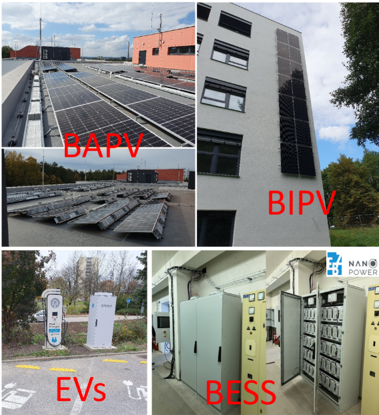
The solution combines solar energy generation, battery storage and electric vehicle charging into a single, intelligent building energy system. Solar panels integrated into building façades and rooftops produce clean electricity while also improving indoor comfort by reducing overheating. Energy can be stored in repurposed batteries, giving a second life to existing technologies and helping balance supply and demand. The system also supports smart charging of electric vehicles, allowing cars to store or even supply electricity back to buildings when needed. By optimising energy use in real time, this approach makes neighbourhoods more energy-efficient, flexible and resilient.
6-7 October 2026,
Trondheim, Norway
Join us for our Final Conference Climate Positive Circular Communities
Learn More
•
6-7 October 2026,
Trondheim, Norway
Join us for our Final Conference Climate Positive Circular Communities
Learn More
•
6-7 October 2026,
Trondheim, Norway
Join us for our Final Conference Climate Positive Circular Communities
Learn More
•
6-7 October 2026,
Trondheim, Norway
Join us for our Final Conference Climate Positive Circular Communities
Learn More
•
6-7 October 2026,
Trondheim, Norway
Join us for our Final Conference Climate Positive Circular Communities
Learn More
•
6-7 October 2026,
Trondheim, Norway
Join us for our Final Conference Climate Positive Circular Communities
Learn More
•
6-7 October 2026,
Trondheim, Norway
Join us for our Final Conference Climate Positive Circular Communities
Learn More
•
6-7 October 2026,
Trondheim, Norway
Join us for our Final Conference Climate Positive Circular Communities
Learn More