Transformational Plans for Palma’s Seafront: GESA Building Architectural Competition and Energy Innovations
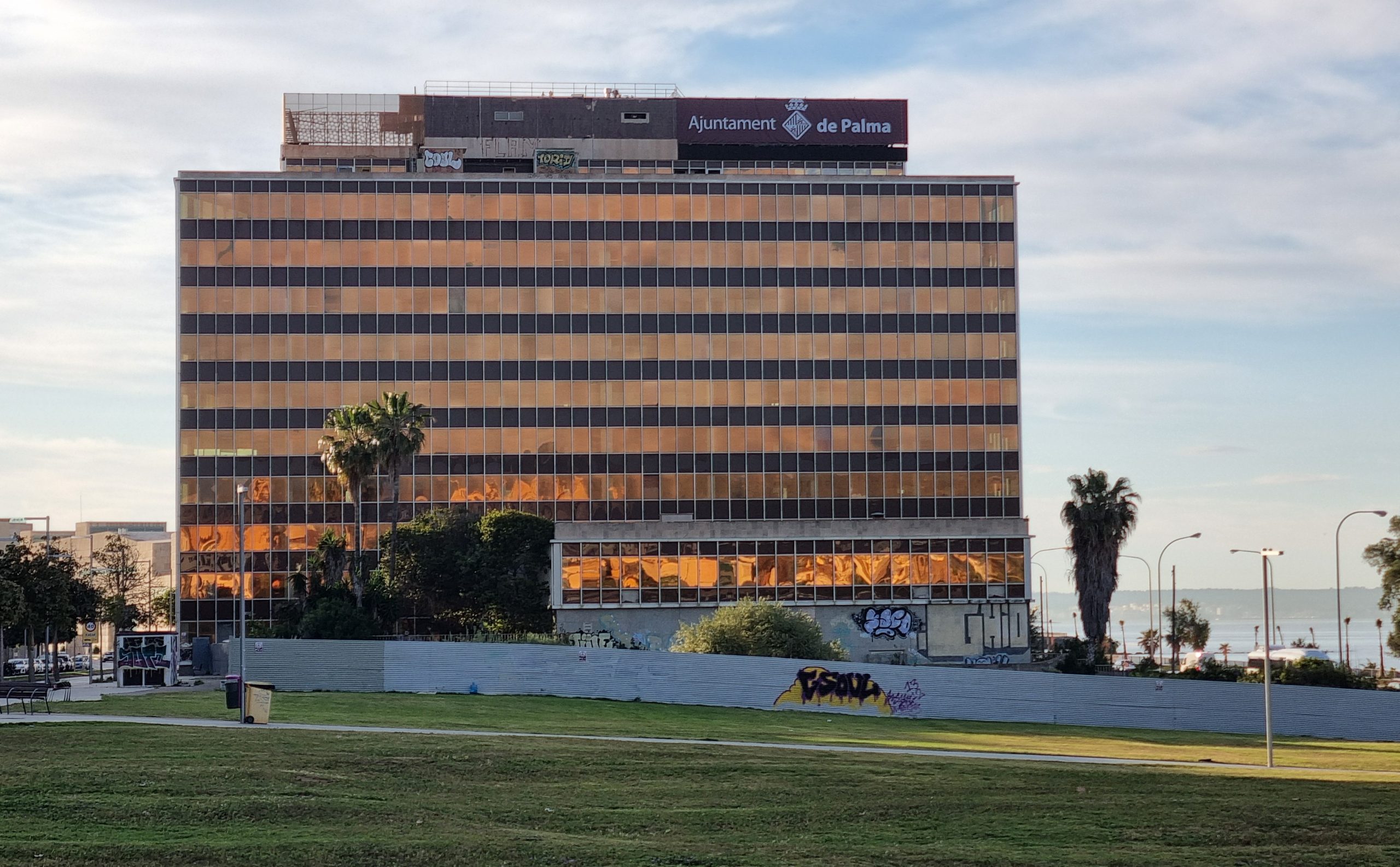
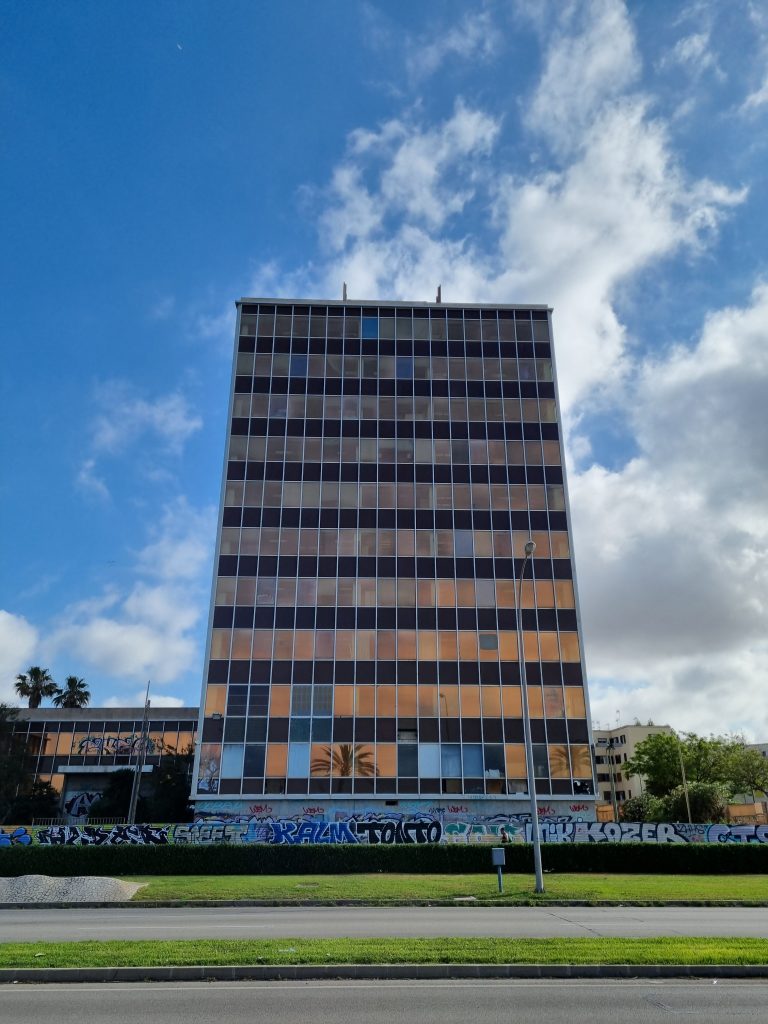
In a significant move to revitalize Palma’s cultural and innovative landscape, Mayor Jaime Martínez Llabrés announced the launch of an architectural ideas competition to transform the seafront area, with particular focus on the long-abandoned GESA building, designed by Josep Ferragut Pou and constructed in the late 60’s. This initiative is pivotal for the city’s vision of creating a cultural and innovation complex that will serve not only Palma but the entire Balearic Islands.
The proposed project involves extensive renovations of the GESA building, along with the construction of new public facilities, parking areas, and open spaces, all designed to enhance the local community’s accessibility to cultural resources. The total project area covers approximately 30,000 square meters, with careful adherence to the heritage characteristics of the GESA building, which has been a prominent part of Palma’s skyline for decades.
“We aim to create a space that embodies innovation and culture, stretching from the Avenidas to the Congress Palace. The future complex will not only breathe new life into the GESA building but will also uplift the entire surrounding area with new facilities and green spaces,” Martínez Llabrés stated during the announcement.
The ambitious project will include a Cultural Centre for Art, Creation, and Exhibitions, designed for a variety of exhibitions, workshops, and conferences. Integral to this development is the Energy Interpretation Centre, which will serve as an educational hub, connecting the historical significance of the Mallorca energy sector with contemporary energy discussions. Additionally, the project will feature a Central Municipal Library, a Toy Library, and a Media Library to enhance literacy and provide essential resources for all ages. A modern auditorium will also be included, serving as a venue for community events.
The revitalization of the GESA building is not solely focused on culture and innovation; it also aligns with ongoing energy initiatives that connect to the building’s history as the headquarters of the gas and electricity utility in the Balearic Islands for many decades.
ARV’s proposal to turn the GESA Building into a positive-energy icon in Palma
Within the framework of the European Green Deal innovation project ARV —which promotes the creation of circular communities and the accelerated renovation of buildings across Europe—AIGUASOL Consulting and IREC, in collaboration with the City Council of Palma and ENDESA/ENEL as the former owner of the building, undertook the challenge of making proposals for the retrofitting of the GESA building. The goal was to adapt it to future needs and transform it into a positive building that produces more energy than it consumes.
The GESA building renovation proposal focuses on improving heating and cooling systems to ensure the building uses less energy while still providing comfort, and on transforming its iconic façades into energy-generating elements through Building Integrated Photovoltaics (BIPV). The ambitious goals of the building renovation proposal were to maintain heating and cooling demands below 15 kWh/m² per year and the total primary energy below 70 kWh/m² per year, including heating, cooling, humidity control, ventilation, and lighting.
Strategies to reduce thermal demand focused primarily on the façade, a critical factor in the building’s thermal performance. The heritage status of the building limits façade interventions, requiring the preservation of the original aesthetic and precluding the use of external solar shading. In a fully glazed building, covering 100% of the floor-to-floor height, this presented a significant challenge. Using thermal simulation tools (TRNSYS), the building was modelled as originally designed, and several four alternative façade elements were analysed:
- Replacement of existing glass with photovoltaic glass.
- Double glazing with exterior photovoltaic panels.
- Ventilated façade (between slabs) with double glazing and exterior photovoltaic panels.
- Continuous ventilated façade with double glazing and exterior photovoltaic panels.
Thermal modelling showed that the most effective strategy for reducing thermal demand was the adoption of a double ventilated façade, ultimately proposing a ventilated façade system between slabs, which key parameters have been optimized.
Secondly, project proposal undertakes the optimization of the HVAC system, which faced two major challenges: first, determining the suitability and hybridization ratio of renewable sources, optimizing a geothermal-aerothermal system for cost, energy efficiency, and environmental impact; secondly, designing interior distribution and emission elements within very constrained spaces.
Parametric analysis led to an optimal hybrid configuration where geothermal energy serves as the primary system, with aerothermal heat pumps as supplementary units. Four emission system alternatives were considered, being the final proposed solution to use ceiling-mounted fan coils with integrated wall-mounted reinforcement, balancing cost, architectural fit, noise, maintenance, and performance.
With the building optimized for demand and energy use, the final step was to achieve positive energy status, generating more energy than it consumes. In addition to conventional rooftop photovoltaic modules, the renewable energy that integrating both opaque and semi-transparent photovoltaic glasses into the façade has been estimated.
In summary, the adopted strategies preserve the building’s original appearance, covers 100% of the energy required for HVAC, provides 43% of total electricity consumption, and results in a 47% reduction in CO₂ emissions compared to a baseline scenario with only aerothermal systems and no photovoltaics.
IREC investigated and tested different solutions of integrated photovoltaics in the building façades
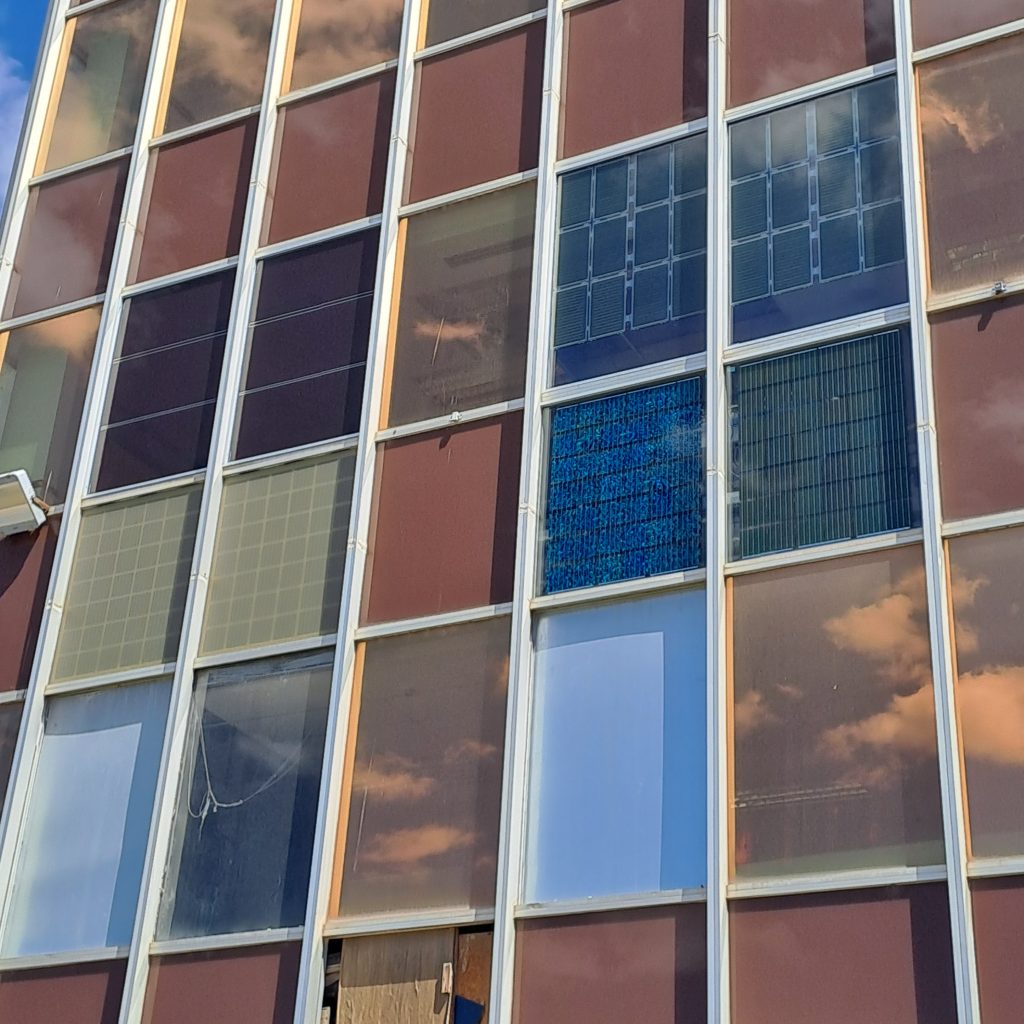
Led by the Catalonia Institute for Energy Research (IREC), tests on Building-Integrated Photovoltaics (BIPV) have been conducted. The pioneering BIPV solutions examined during the ARV project involved the installation of photovoltaic panels within the building’s architecture, while respecting its heritage status, echoing the global shift toward renewable energy sources.
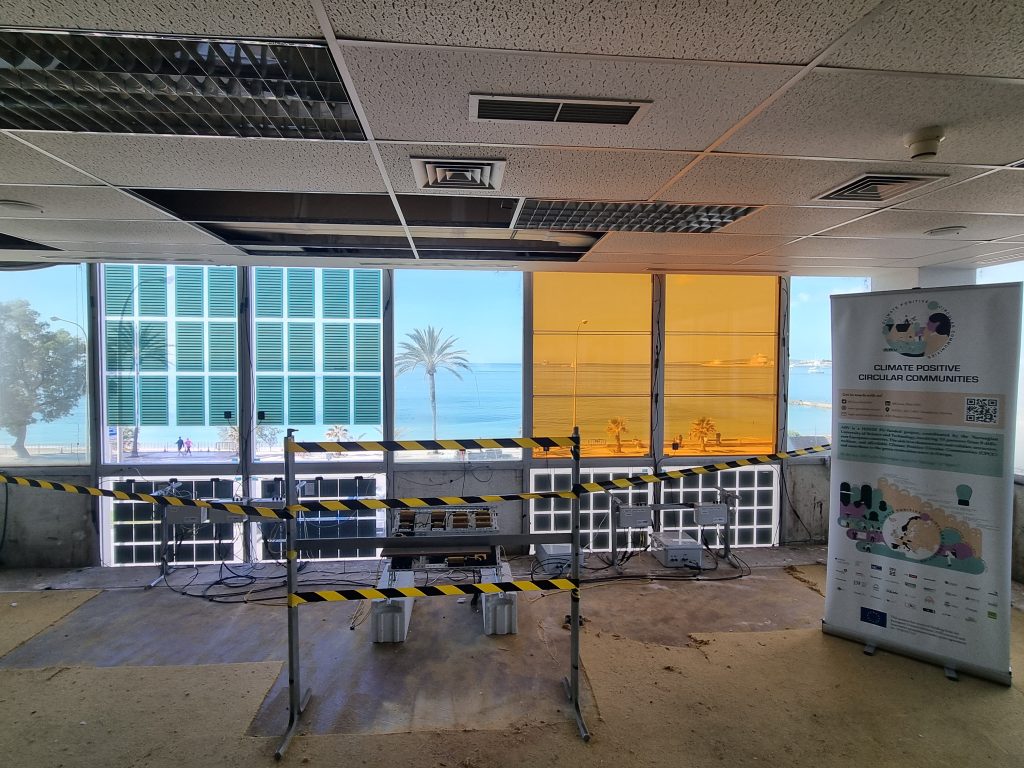
Both opaque and transparent glass-integrated commercial and pre-commercial experimental solutions based on different technologies have been tailored, designed, and manufactured to replace eight of the original glasses in the building, with the collaboration of worldwide providers. The BIPV panels have been tested and monitored for more than one year during 2024 and 2025 to determine the energy performance, architectural integration, and visual aesthetics acceptance. These actions are not only about producing renewable electricity, but also for testing the architectural quality of the different solutions and expected impact on the reduction of solar heat gains, while respecting the overall image and functionality of the building.
The results of these tests corroborated that the GESA building could serve as an exemplar for the intersection of historical preservation and modern energy sustainability and its façades can potentially generate 183,000 kWh of renewable electricity per year.
As the architectural competition for designs commences, Palma wants to attract talent from across the globe to transform seafront that blends its rich cultural heritage with modern innovation setting a new standard for sustainable urban development in the Balearic Islands. Proposals can be presented until 1st April 2026.
The details of the competition can be found in the following links which include the documents generated in the framework of the ARV project.
Supplement of the Official Journal of the EU: 843045-2025 – Competition – TED
Link to the bidding: Plataforma de Contratación del Sector Público