
Who are We?
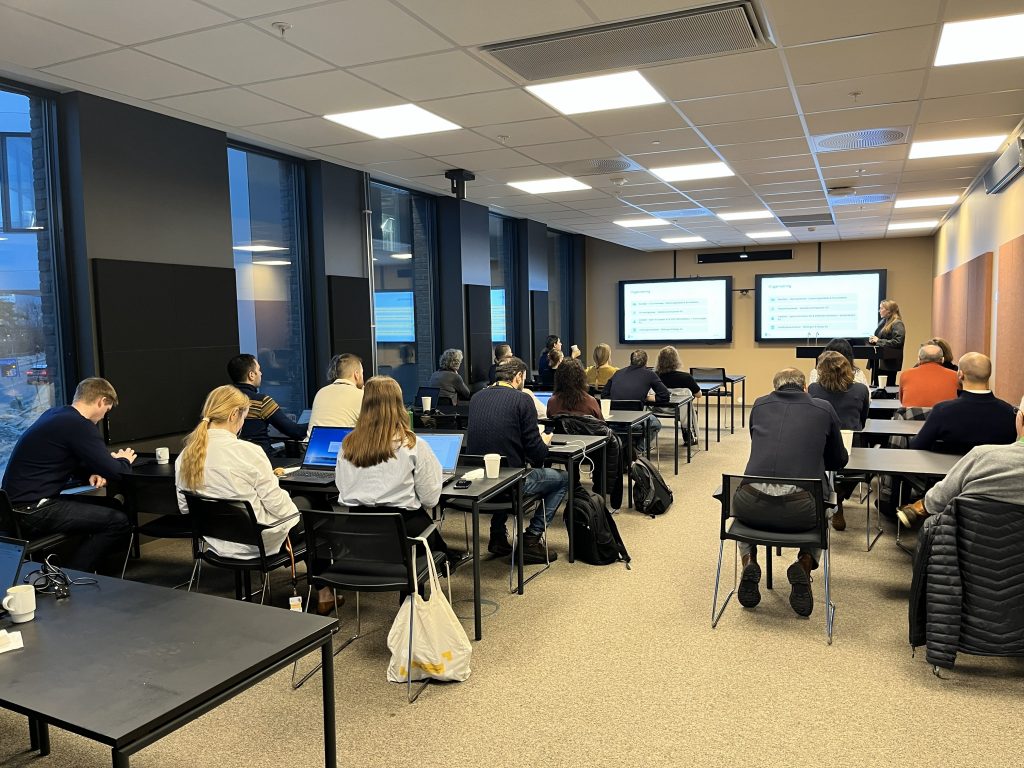
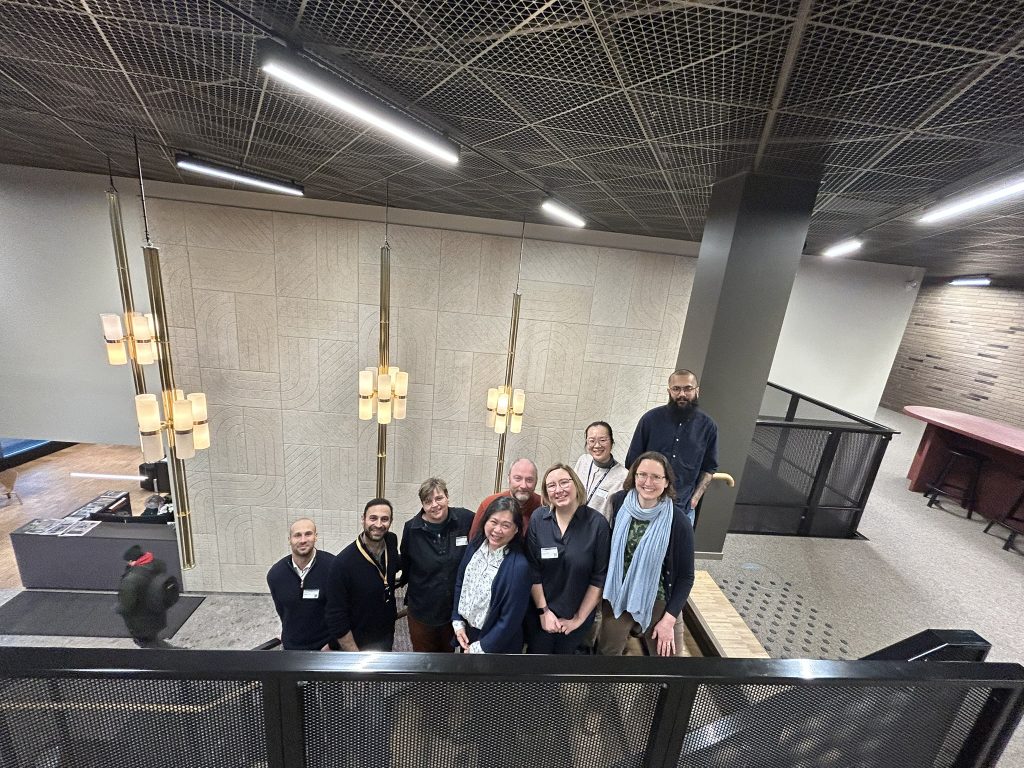
On 20 January 2026, Oslobygg, SINTEF, and the Norwegian University of Science and Technology (NTNU) hosted an innovation seminar at Oslobygg’s office in Oslo. The event brought together municipal representatives, researchers, consultants, and industry partners to explore the innovations at the Voldsløkka School and Cultural Area, Oslo’s first plus-energy school, and discuss how these solutions contribute to Climate Positive Circular Communities (CPCCs).
The seminar highlighted the demonstration site, including the renovated Heidenreich heritage building alongside the plus-energy school, illustrating how heritage preservation can coexist with climate-positive construction. The discussion also focused on how innovations at Voldsløkka can be scaled and applied in other urban contexts.
Key Innovations
Moderated Q&A sessions reinforced the importance of engaging a wide spectrum of actors, including professionals, municipal representatives, contractors, users, and students, to strengthen the usability, legitimacy, and acceptance of innovative solutions.
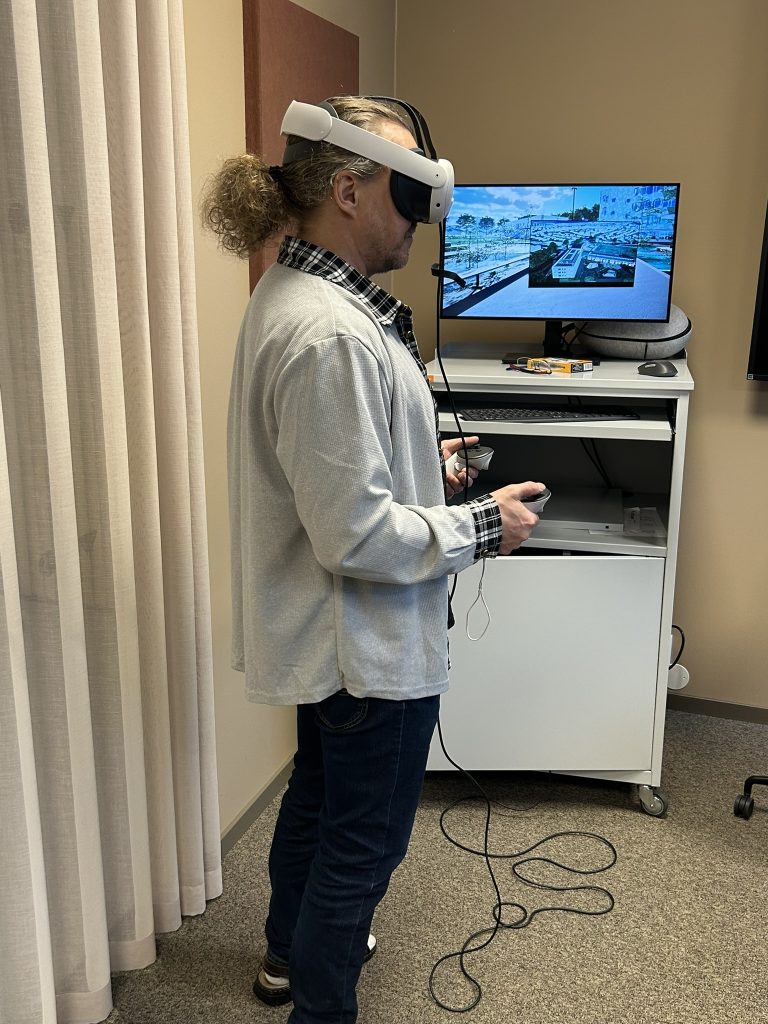
The seminar concluded with reflections on collaboration, knowledge exchange, and immersive engagement as essential elements in scaling sustainable, climate-positive solutions. A follow-up activity in May 2026 will involve tertiary students in Sustainable Architecture, Civil Engineering, and related disciplines, providing hands-on experience and fresh perspectives.
Voldsløkka School and Cultural Area, Oslo’s first plus-energy school, provides a model for future climate-positive neighbourhoods.

Subscribe to our Newsletter
Want to know more about the new generation of climate positive circular communities (CPCC)? Sign up to our bi-annual newsletter (no spam guaranteed)!